

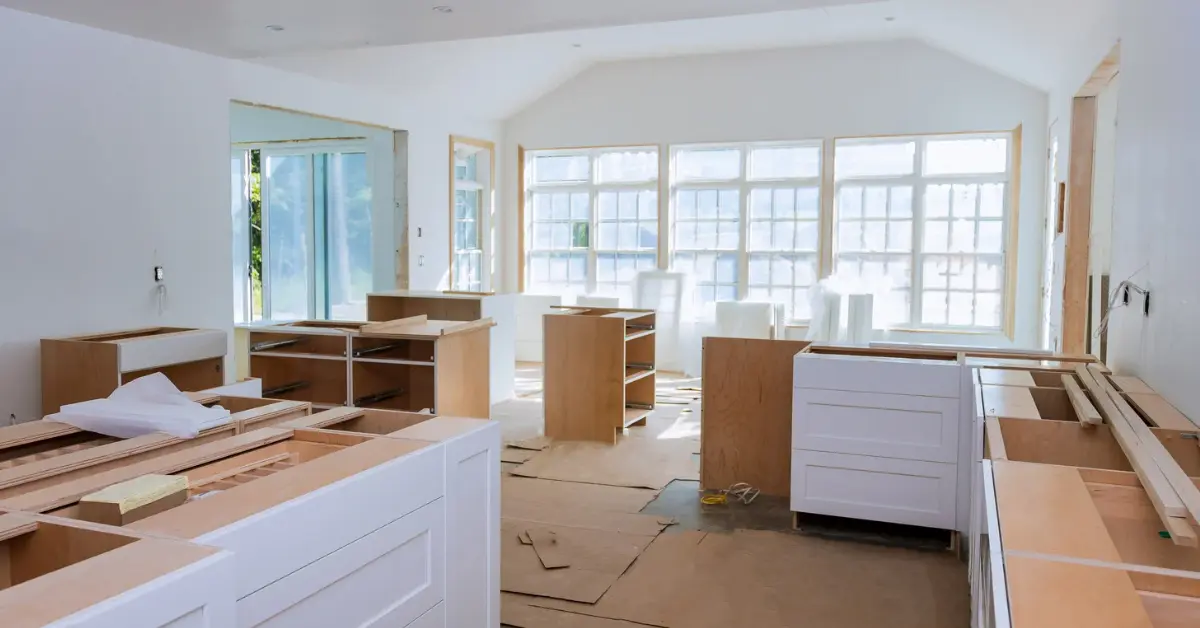
A kitchen renovation is one of the most rewarding home improvement projects you can undertake in Melbourne. Not only does it enhance your daily living experience, but it also adds significant value to your property. However, before you start tearing out cabinetry and choosing new appliances, understanding the potential costs involved is crucial for planning and budgeting effectively. At SKL Builders Melbourne, we’ve guided countless homeowners through successful kitchen transformations, and we’re here to share our expertise on what influences costs and how to plan your project.
Key Factors That Influence Kitchen Renovation Costs
When it comes to kitchen renovations in Melbourne, costs can vary dramatically based on several critical factors. Understanding these elements will help you develop a realistic budget and make informed decisions about where to invest and where you might be able to save.
Kitchen Size and Layout Changes
The size of your kitchen is perhaps the most obvious factor affecting renovation costs. A larger kitchen naturally requires more materials, from flooring to cabinetry to benchtops. What many homeowners don’t initially consider, however, is that changing the layout can significantly impact your budget.
Moving plumbing, gas lines, or electrical wiring to accommodate a new layout is labour-intensive and requires professional tradespeople. For instance, relocating a sink might necessitate rerouting plumbing pipes beneath the floor or within walls, which could add A$1,500-A$3,000 to your project. Similarly, creating an island where there wasn’t one before might require new electrical connections for appliances or lighting, adding another A$1,000-A$2,000 to your costs.
If you’re knocking down walls to create an open-plan layout, structural considerations come into play. Load-bearing walls require proper support systems if removed, potentially adding A$5,000-A$15,000 depending on the complexity. Non-load-bearing walls are less expensive to remove but still require professional assessment and finishing work.
Materials and Finishes Selection
The materials you choose for your kitchen renovation will significantly impact both the final look and the cost. Cabinetry, benchtops, splashbacks, flooring, and fixtures all come in various price ranges, offering different levels of durability, aesthetics, and functionality.
Cabinetry typically constitutes about 30-40% of a kitchen renovation budget, making it one of the most significant cost factors. In Melbourne, basic laminate cabinetry might start at around A$10,000-A$15,000 for a standard kitchen, while custom-made solid timber cabinetry could easily exceed A$30,000 for the same space. Semi-custom options fall somewhere in between, offering a balance of quality and affordability.
Benchtops represent another significant cost variable. Laminate benchtops are the most budget-friendly option, starting from around A$150-A$300 per square metre installed. Mid-range options like engineered stone typically cost A$450-A$1,200 per square metre, while premium natural stones such as marble or granite can range from A$800-A$3,000 per square metre. Each material offers different aesthetic, durability, and maintenance characteristics.
For splashbacks, ceramic tiles provide an affordable option starting from A$50 per square metre, while glass or stone splashbacks might range from A$400-A$1,000 per square metre. Flooring choices similarly range from budget-friendly vinyl (A$30-A$50 per square metre) to premium hardwood (A$150-A$250 per square metre).
Appliance Quality and Technology
Kitchen appliances represent another significant cost consideration, with prices varying enormously based on brand, features, and energy efficiency. A basic package of appliances (oven, cooktop, rangehood, dishwasher) might start around A$3,000, while premium or integrated appliances could easily exceed A$20,000 for a complete set.
Smart technology integration is becoming increasingly popular in Melbourne kitchens, with homeowners investing in refrigerators that can track groceries, ovens controllable via smartphone, and voice-activated lighting or taps. While these features add convenience, they also add cost—typically 15-30% more than conventional alternatives.
Energy efficiency is another consideration that may increase upfront costs but offers long-term savings. In Melbourne’s climate, efficient appliances can significantly reduce energy bills over time, making them a wise investment despite the higher initial outlay.
Budget Ranges: From Basic to Luxury Renovations
Kitchen renovation costs in Melbourne typically fall into three broad categories: basic, mid-range, and luxury. Understanding what each budget range can achieve helps set realistic expectations for your project.
Basic Kitchen Renovations: A$15,000-A$30,000
A basic kitchen renovation in Melbourne typically involves cosmetic updates without major layout changes. This budget range usually includes:
- Replacing cabinet doors and drawer fronts while keeping existing cabinetry boxes
- Installing new laminate benchtops
- Updating cabinet hardware (handles and knobs)
- Basic ceramic tile splashback
- Standard vinyl or tile flooring
- Entry-level appliances from reputable brands
- Basic lighting fixtures
- Fresh paint
This level of renovation works well for homeowners on a tight budget or those updating a kitchen in a rental property or before selling. While it won’t deliver a complete transformation, it can significantly refresh the space and improve functionality.
The limitations of this budget range include minimal layout changes, potentially keeping existing plumbing and electrical configurations, and using more budget-friendly materials that might not offer the same longevity as premium alternatives.
Mid-Range Kitchen Renovations: A$30,000-A$60,000
A mid-range kitchen renovation represents the most common budget category for Melbourne homeowners, offering a balance of quality, customisation, and value. This budget typically allows for:
- New semi-custom cabinetry throughout
- Engineered stone benchtops
- Glass or premium tile splashback
- Quality flooring (premium vinyl, good quality tiles, or entry-level timber)
- Mid-range appliance package
- Under-cabinet lighting and improved general lighting
- Some layout modifications (though perhaps not extensive plumbing relocations)
- Soft-close drawers and other convenience features
- New sink and tapware
- Professional design input
At this price point, homeowners can achieve a substantial transformation that improves both aesthetics and functionality. The kitchen will feel modern, offer better workflow, and incorporate some personalised features that reflect the owner’s style and needs.
Most Melbourne homes would see significant value improvement with this level of renovation, making it a sensible investment for those planning to stay in their property for at least 5-10 years.
Luxury Kitchen Renovations: A$60,000-A$150,000+
Luxury kitchen renovations represent the high end of the market, with virtually unlimited possibilities for customisation, premium materials, and cutting-edge technology. These projects typically include:
- Fully custom cabinetry with specialised storage solutions
- Premium natural stone or composite benchtops
- Designer splashback materials (glass, natural stone, metallic tiles)
- Hardwood, stone, or high-end tile flooring
- Top-of-the-line appliance package, potentially including specialty items like wine fridges, steam ovens, or built-in coffee machines
- Integrated smart home technology
- Architectural lighting design with multiple layers of lighting
- Custom island with special features (prep sink, integrated appliances, etc.)
- Designer tapware and fixtures
- Extensive layout modifications as desired
- Professional kitchen designer involvement
- Speciality elements like butler’s pantries, custom range hoods, or integrated dining spaces
Luxury renovations offer the highest level of personalisation and quality, with materials and craftsmanship designed to last decades. While the investment is substantial, these kitchens often become the centrepiece of the home, delivering exceptional functionality and aesthetic appeal.
For high-end properties in Melbourne’s premium suburbs, this level of renovation might be necessary to meet market expectations and maintain property value proportionate to the overall home worth.
Cabinetry and Benchtop Choices
Cabinetry and benchtops typically represent the largest portion of a kitchen renovation budget, and the materials you select will significantly impact both the final look and cost of your project.
Cabinetry Options and Pricing
Cabinetry options in Melbourne typically fall into three categories:
- Stock or Pre-fabricated Cabinetry (A$5,000-A$15,000) Stock cabinetry comes in standard sizes and limited design options. While more affordable, these cabinets offer fewer customisation possibilities and might not maximise storage in your specific space. They typically feature laminate finishes and basic hardware.
- Semi-Custom Cabinetry (A$15,000-A$30,000) Semi-custom cabinets offer a middle ground, with more size options, finish choices, and storage features than stock cabinetry. These allow for some personalisation while keeping costs reasonable. Materials typically include melamine interiors with various door options such as polyurethane, timber veneer, or 2-pack painted finishes.
- Custom Cabinetry (A$30,000-A$60,000+) Custom cabinets are built specifically for your kitchen, offering unlimited design possibilities, precise sizing, and specialised storage solutions. These typically feature premium materials, craftsmanship, and hardware. While the most expensive option, custom cabinetry maximises functionality and creates a truly unique kitchen designed around your specific needs.
Beyond the cabinet construction type, the door finish significantly affects pricing. Laminate doors are the most economical (A$70-A$150 per linear metre), while polyurethane (A$180-A$280 per linear metre), timber veneer (A$250-A$400 per linear metre), and solid timber (A$350-A$600+ per linear metre) represent increasingly premium options.
Storage accessories like pull-out pantries, corner optimisers, or specialised drawers add functionality but also increase costs. These accessories typically add 10-20% to cabinetry costs but can dramatically improve kitchen usability.
Benchtop Materials and Considerations
Benchtops are both a functional work surface and a design focal point in your kitchen. Melbourne homeowners have several options at different price points:
- Laminate (A$150-A$300 per square metre) Laminate benchtops offer the most affordable option with a wide range of colours and patterns, including some that mimic stone. While not as durable or heat-resistant as other materials, modern laminates have improved significantly in quality and appearance.
- Engineered Stone (A$450-A$1,200 per square metre) Engineered stone (like Caesarstone, Essastone, or Smartstone) combines natural quartz with resins to create a durable, non-porous surface. Available in many colours and patterns, this popular middle-range option offers good stain and scratch resistance. It represents the most common choice for modern Melbourne kitchens.
- Natural Stone (A$800-A$3,000+ per square metre) Natural stones like granite, marble, and quartzite offer unique patterns and luxury appeal. Granite provides excellent durability and heat resistance, while marble offers classic beauty but requires more maintenance due to its porosity. Each slab is unique, adding to the exclusivity but also the cost.
- Solid Surface (A$500-A$1,300 per square metre) Solid surface materials (like Corian) can be seamlessly joined and sometimes repaired if damaged. They offer design flexibility and are available in numerous colours but can be damaged by heat and sharp objects.
- Timber (A$600-A$1,500 per square metre) Timber benchtops bring warmth and character to a kitchen. While requiring more maintenance than stone options, they can be sanded and refinished if damaged. Popular choices include oak, blackbutt, and spotted gum.
- Concrete (A$1,000-A$1,800 per square metre) Concrete benchtops offer industrial style with the ability to be customised in shape, colour, and finish. They’re extremely durable but require professional sealing and installation.
The thickness of your benchtop (typically 20mm, 30mm, or 40mm) also affects pricing, with thicker profiles adding 15-30% to the cost. Edge profiles, from simple square edges to more elaborate waterfall edges or bullnose designs, add further customisation but also increase costs.
Plumbing, Electrical, and Compliance
Kitchen renovations often involve significant plumbing and electrical work, which must comply with Australian building codes and standards. These elements represent crucial but sometimes overlooked aspects of budgeting.
Plumbing Considerations
Plumbing work in a kitchen renovation typically includes:
- Sink installation (A$300-A$800 depending on complexity)
- Dishwasher connections (A$150-A$300)
- Refrigerator water line installation for ice makers/water dispensers (A$150-A$400)
- Relocating plumbing for sinks or appliances (A$800-A$2,500 depending on distance and complexity)
- Gas line installation or relocation for cooktops (A$400-A$1,200)
All plumbing work in Victoria must be performed by licensed plumbers who provide compliance certificates for completed work. These certificates are crucial for insurance purposes and may be requested if you sell your home in the future.
Water efficiency is another consideration, with Australia’s WELS (Water Efficiency Labelling and Standards) scheme rating fixtures like taps and dishwashers. Higher-rated fixtures may cost more initially but provide water savings over time.
Electrical Requirements
Electrical work represents another significant aspect of kitchen renovations:
- New circuit installation for high-demand appliances (A$400-A$800 per circuit)
- Power point installation (A$150-A$300 per point)
- Lighting installation (A$150-A$400 per fixture, plus fixtures)
- Rangehood ventilation (A$300-A$600 for installation)
- Smart home wiring (varies widely depending on complexity)
Like plumbing, all electrical work must be performed by licensed electricians who provide certificates of electrical safety upon completion. These certificates verify that your electrical installations meet Australian standards.
Modern kitchens typically require more power points than older ones, given the increase in kitchen appliances and devices. Planning for adequate power supply and strategically positioned outlets is essential for a functional space.
Compliance and Permits
Depending on the extent of your renovation, building permits may be required. In Victoria, structural changes, plumbing relocations, and significant electrical work generally require permits. The cost for permits typically ranges from A$500-A$2,000 depending on the project scope and your local council’s fee structure.
For apartments or units, body corporate approval may also be necessary before commencing work. This process can take time and may impose additional requirements or restrictions on your renovation.
Working with professionals familiar with local building codes and permit requirements helps ensure your renovation proceeds smoothly and legally, avoiding potential issues when selling your property in the future.
Timeline and Scheduling Tips
Understanding the typical timeline for a kitchen renovation helps manage expectations and minimise disruption to your household.
Typical Kitchen Renovation Timeline
A complete kitchen renovation in Melbourne typically takes 6-12 weeks from demolition to completion, broken down approximately as follows:
- Design and Planning: 2-4 weeks (occurs before actual construction begins)
- Demolition and Removal: 2-3 days
- Rough Carpentry: 3-5 days
- Plumbing Rough-In: 1-2 days
- Electrical Rough-In: 1-2 days
- Insulation and Drywall (if needed): 3-5 days
- Painting: 2-3 days
- Cabinetry Installation: 3-5 days
- Benchtop Template and Installation: 7-14 days (depending on material)
- Splashback Installation: 1-2 days
- Flooring Installation: 2-4 days
- Appliance Installation: 1-2 days
- Final Plumbing and Electrical: 1-2 days
- Hardware and Finishing Touches: 1-2 days
- Final Inspection and Clean-up: 1 day
This timeline can vary based on project complexity, material availability, and coordination of different tradespeople. Custom elements like specialised cabinetry or imported materials may extend the timeline significantly.
Managing Your Kitchen During Renovation
Since most Melbourne homes have just one kitchen, living without this essential space requires planning. Consider these strategies:
- Setting up a temporary kitchen in another area with essentials like a microwave, electric kettle, toaster, and refrigerator
- Meal planning for simplified cooking during the renovation
- Using outdoor cooking options like BBQs during Melbourne’s warmer months
- Scheduling takeaway meals or meal delivery services for busier periods
- Timing your renovation during seasons when you might be more likely to eat out or travel
Proper planning can significantly reduce the stress of living through a kitchen renovation, making the process more manageable for your household.
Scheduling Efficiencies
Working with an experienced builder or project manager can significantly streamline your renovation timeline. Professional scheduling ensures that:
- Materials arrive when needed, avoiding delays
- Tradespeople are coordinated efficiently, with minimal downtime
- Inspections occur at appropriate intervals
- The critical path of construction is optimised
At SKL Builders Melbourne, we emphasise thorough planning and professional project management to minimise disruption and complete kitchen renovations efficiently while maintaining quality standards.
Hidden Costs to Prepare For
Even with careful planning, kitchen renovations sometimes encounter unexpected expenses. Being aware of potential hidden costs helps you build an appropriate contingency into your budget.
Common Unexpected Expenses
- Structural Issues: Removing old cabinetry or flooring sometimes reveals water damage, termite damage, or structural problems that must be addressed before proceeding. Budget 5-10% contingency for such discoveries.
- Electrical Upgrades: Older homes in Melbourne often have inadequate electrical systems that require panel upgrades or rewiring to support modern appliances and lighting. This can add A$1,000-A$3,000 to your budget.
- Plumbing Complications: Corroded pipes, non-compliant plumbing, or drainage issues might only become apparent during demolition. Addressing these could add A$800-A$2,500 to your costs.
- Asbestos Removal: Homes built before 1990 may contain asbestos in wall sheeting, floor tiles, or ceiling materials. Professional removal costs A$1,500-A$5,000 depending on the extent.
- Pest Damage: Discovering termite damage or other pest issues can require remediation before proceeding with your renovation, adding A$1,000-A$5,000 to your budget.
- Council Requirements: Sometimes council inspections identify additional requirements for compliance, such as enhanced ventilation or fire safety measures, adding to both costs and timeline.
Building a Contingency Fund
Industry standard recommends setting aside 10-20% of your total budget as contingency for unexpected costs. For a A$50,000 renovation, this means having an additional A$5,000-A$10,000 available if needed.
While you might not need to use this contingency, having it available provides peace of mind and prevents your project from stalling if unexpected issues arise. If unused, this fund can go toward furnishings, accessories, or simply remain as savings.
Cost-Saving Strategies
To help manage your budget effectively, consider these strategies:
- Retain the existing layout where possible to minimise plumbing and electrical changes
- Refresh rather than replace elements that are still functional (e.g., painting existing cabinets)
- Phase your renovation over time, tackling the most essential elements first
- Mix high and low-end materials, splurging on focal points while economising on less noticeable elements
- Shop floor models or ex-display appliances for significant discounts
- Consider alternative materials that mimic premium looks (like laminate that resembles stone)
- Reuse or repurpose existing elements where appropriate
Working with experienced professionals can also help identify where spending adds value and where more economical choices won’t compromise the final result.
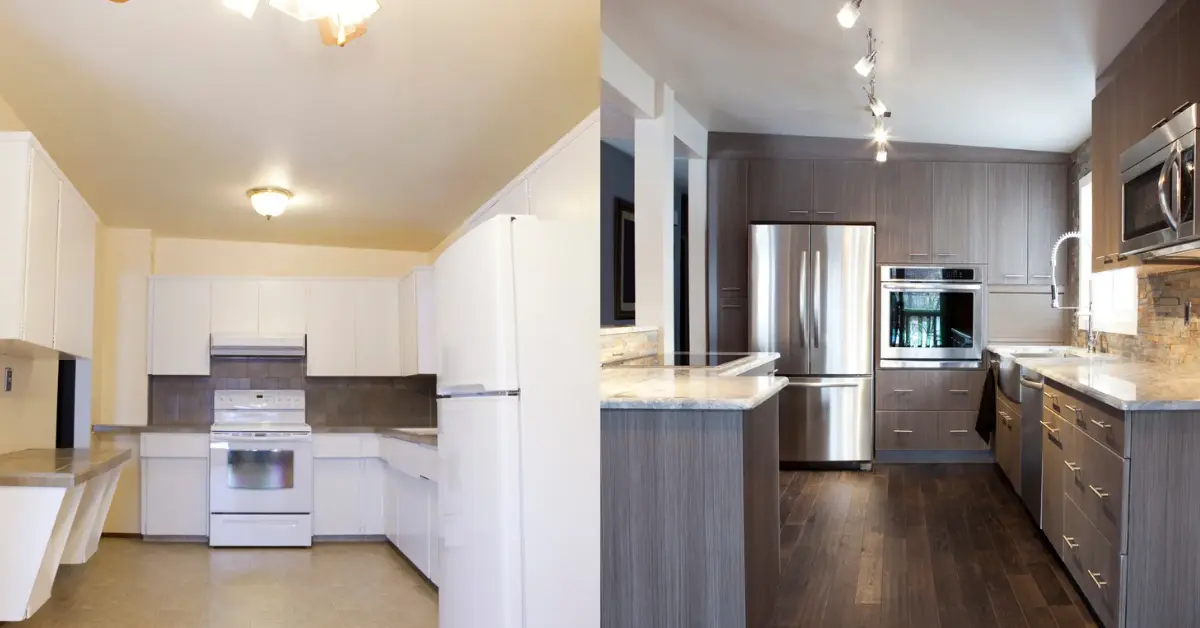
Frequently Asked Questions
What is the average kitchen renovation cost in Melbourne?
The average cost of a complete kitchen renovation in Melbourne typically ranges between A$30,000 and A$60,000 for a mid-range project. However, costs can vary significantly based on the kitchen size, quality of materials, and extent of changes. Basic cosmetic updates might start around A$15,000, while luxury renovations with premium materials and extensive customisation can exceed A$150,000. Location within Melbourne also impacts costs, with inner-city renovations typically costing 10-15% more than those in outer suburbs due to higher labour rates and logistical challenges.
Can I renovate my kitchen in stages?
Yes, renovating your kitchen in stages is often a practical approach if budget constraints prevent completing the entire project at once. Start with structural elements and those requiring professional installation, such as plumbing, electrical work, and cabinetry. Less disruptive elements like appliance upgrades, cabinet handles, or splashbacks can be added later. The key is developing a comprehensive plan at the outset so that each stage builds toward your final vision without requiring rework. Be aware that staged renovations may take longer overall and might cost slightly more due to multiple setup and cleanup phases, but they allow you to spread costs over time while maintaining a functional kitchen.
Is custom cabinetry worth the cost?
Custom cabinetry represents a significant investment, typically costing 30-50% more than pre-made alternatives, but offers several advantages that many Melbourne homeowners find worthwhile. Custom cabinets maximise storage efficiency by precisely fitting your space, accommodate unusual dimensions, and can be designed with specific storage solutions for your unique needs. The quality of materials and construction is generally superior, potentially offering greater durability. For period homes with unusual dimensions or homeowners with specific aesthetic preferences, custom cabinetry provides options simply unavailable off-the-shelf. Whether the investment makes sense depends on your long-term plans for the property, the importance of unique design elements, and your specific functional requirements.
Do I need council approval for my kitchen renovation?
Most straightforward kitchen renovations in Melbourne that don’t alter the building’s structure or external appearance typically don’t require council approval. However, certain circumstances do trigger approval requirements: removing or altering load-bearing walls, extending the home’s footprint, modifying windows or external doors, changing plumbing in apartment buildings, or renovating heritage-listed properties. Even when formal approval isn’t required, your renovation must still comply with the Building Code of Australia and relevant Australian Standards, particularly for electrical and plumbing work, which must be performed by licensed professionals who provide compliance certificates. When in doubt, consulting with your local council or an experienced builder before commencing work is always advisable.
How long does a kitchen renovation take?
A complete kitchen renovation in Melbourne typically takes between 6 and 12 weeks from demolition to completion. Simple cosmetic renovations might be completed in 3-4 weeks, while complex projects involving structural changes or custom elements can extend beyond 12 weeks. The timeline includes approximately 2-3 days for demolition, 1-2 weeks for rough-in work (plumbing, electrical, framing), 1-2 weeks for cabinetry installation, 1-2 weeks for benchtop template and installation, and several days each for flooring, appliance installation, and finishing details. External factors like material availability (particularly for imported products), tradesperson scheduling, and unexpected discoveries during demolition can all impact the timeline. Working with an experienced builder who coordinates all aspects of the project helps minimise delays and ensures efficient progression.
Conclusion
A kitchen renovation represents a significant investment in your Melbourne home, both financially and in terms of the disruption during construction. However, with careful planning, realistic budgeting, and the right professional guidance, the result can transform how you use and enjoy your home while adding substantial value to your property.
Understanding the various cost factors—from materials to labour to potential hidden expenses—helps you develop a comprehensive budget with appropriate contingencies. By making informed decisions about where to invest and where to economise, you can achieve a kitchen that meets your needs, reflects your style, and works within your financial parameters.
Whether you’re planning a cosmetic refresh or a complete luxury transformation, the kitchen remains the heart of the home. A thoughtfully renovated kitchen enhances daily life and creates a space where family and friends naturally gather, making it one of the most rewarding home improvement projects.
For more information about Kitchen Renovations services at SKL Builders Melbourne, check them out below:
Bathroom Design & Bathroom Renovations