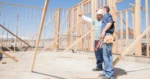


Building a custom home is one of the most significant investments you’ll make in your lifetime. Unlike purchasing an existing property, creating a custom-built home offers unparalleled freedom to design a living space that perfectly aligns with your vision, lifestyle, and preferences. At SKL Builders Melbourne, we understand that embarking on this journey can seem overwhelming at first. That’s why we’ve created this comprehensive guide to walk you through what to expect when building a custom home in Melbourne.
The Design and Planning Phase
The foundation of any successful custom home project begins long before the first brick is laid. The design and planning phase is arguably the most critical stage of your custom home journey, setting the tone for everything that follows.
Finding the Right Designer and Builder
Selecting the right team for your project can make all the difference between a dream home and a costly nightmare. Look for builders and designers who specialise in custom homes and have extensive experience working in Melbourne’s diverse neighbourhoods. The right professionals will not only understand your vision but also provide valuable insights into what will work best for your block, budget, and lifestyle requirements.
When interviewing potential builders, ask to see their portfolio of completed projects, speak with past clients, and visit homes they’ve built. This hands-on approach will give you a tangible sense of their work quality, attention to detail, and design aesthetic. Remember, you’ll be working closely with these professionals for many months, so personal rapport is just as important as technical expertise.
Creating Your Dream Design
Once you’ve assembled your team, the exciting process of designing your custom home begins. This typically starts with a detailed brief outlining your requirements, preferences, and budget constraints. Your designer will then translate these ideas into initial concept drawings, which will evolve through multiple revisions until you’re completely satisfied.
During this phase, you’ll make countless decisions about the layout, room sizes, ceiling heights, window placements, and overall flow of your new home. Take your time with these decisions, as changes become significantly more expensive once construction begins. Consider how your needs might change in the future – will your family grow? Do you plan to age in place? Might you need a home office or additional living space? Thinking ahead can save costly renovations down the track.
Sustainable Design Considerations
Melbourne’s climate presents unique challenges and opportunities for sustainable home design. With hot summers and cool winters, thoughtful orientation and passive design principles can significantly reduce your energy consumption while enhancing comfort. North-facing living areas maximise winter sun while well-placed eaves provide summer shade. Cross-ventilation captures cooling breezes, reducing the need for air conditioning.
Consider incorporating renewable energy systems like solar panels, water-efficient fixtures, and quality insulation. While these elements may increase your initial investment, they’ll deliver substantial long-term savings on utility bills while reducing your environmental footprint. Many Melbourne homeowners are also opting for rainwater harvesting systems to maintain gardens during water restrictions.
Council Approvals and Permits
Navigating Melbourne’s building regulations can be complex, but understanding the approval process will help you avoid costly delays and compliance issues.
Planning Permits
Depending on your location and the nature of your build, you may need a planning permit from your local council before you can proceed. Planning permits address issues like the building’s appearance, impact on neighbourhood character, and compliance with local planning schemes. In heritage-protected areas or properties with overlays, additional requirements may apply.
The planning permit application process can take several months, especially if there are objections from neighbours or if you need to make modifications to address council concerns. Having an experienced builder who understands local planning requirements can streamline this process considerably.
Building Permits
While planning permits relate to what you can build, building permits ensure how you build meets safety and construction standards. A building permit is mandatory for all new homes in Victoria and must be obtained before construction can begin.
The building permit application includes detailed working drawings, engineering calculations, energy efficiency assessments, and other technical documentation. Your builder or an independent building surveyor will usually handle this process on your behalf, ensuring all aspects of your design comply with the National Construction Code and relevant Australian Standards.
Other Approvals
Depending on your specific circumstances, you may need additional approvals such as:
- Asset protection permits (to protect council assets during construction)
- Demolition permits (if removing an existing structure)
- Crossover permits (for driveway access to public roads)
- Tree removal permits (for significant trees on your property)
- Drainage and stormwater management approvals
Working with experienced professionals who understand Melbourne’s regulatory landscape will ensure you obtain all necessary approvals efficiently, avoiding costly delays and compliance issues down the track.
Choosing Materials and Finishes
One of the most exciting aspects of building a custom home is selecting the materials and finishes that will bring your vision to life. This process can also be overwhelming due to the sheer number of choices available, but with proper guidance, it can be an enjoyable and rewarding experience.
Exterior Materials
Melbourne’s variable climate demands durable, low-maintenance exterior materials that can withstand everything from scorching summer heat to winter storms. Popular options include brick veneer, rendered masonry, weatherboard cladding, and natural stone. Each material offers different aesthetic qualities, durability, and price points.
The roof is another critical consideration, with options ranging from concrete or terracotta tiles to Colorbond steel. Your choice should consider not only appearance but also insulation properties, longevity, and maintenance requirements. Similarly, window frames come in various materials including timber, aluminium, and uPVC, each with distinct advantages for energy efficiency, maintenance, and aesthetics.
Interior Finishes
Inside your home, flooring, cabinetry, benchtops, tiles, and paint colours all contribute to the overall look and feel of your spaces. Creating a cohesive interior design scheme that flows throughout your home requires careful consideration of how these elements work together.
Many Melbourne builders offer display homes or showrooms where you can see and touch different finishes in person, which is invaluable for making informed decisions. Alternatively, design centres bring together samples of various materials and finishes in one location, allowing you to visualise how different combinations will work together.
Fixtures and Fittings
From tapware and door handles to light fittings and appliances, the fixtures you choose add the finishing touches to your custom home. These elements are not just functional but also contribute significantly to the overall aesthetic and feel of your spaces.
When selecting fixtures, consider both style and quality. Premium fixtures may come with a higher upfront cost but often deliver better performance and longevity. For instance, quality tapware with ceramic disc cartridges will outlast cheaper options with rubber washers, saving you money on replacements and repairs over time.
Construction Phases Explained
Understanding the construction process helps set realistic expectations and allows you to track progress as your dream home takes shape.
Site Preparation and Foundation
Construction begins with site preparation, which may include demolition of existing structures, clearing vegetation, and levelling the land. Your builder will then establish site access, temporary services, and erosion control measures before setting out the building footprint.
Foundation work varies depending on your soil type and design requirements. Options range from concrete slabs to stumps or piers with suspended floors. In Melbourne’s clay soils, proper foundation design is crucial to prevent movement and cracking as the ground expands and contracts with moisture changes. Once complete, the foundation provides a stable platform for the remainder of the construction.
Frame and Roof
With foundations in place, framing creates the skeleton of your home. Timber frames remain the most common choice in Melbourne for their flexibility, cost-effectiveness, and sustainability, though steel framing is gaining popularity for its precision and resistance to termites.
Roof framing follows, supporting your chosen roofing material and creating the overall silhouette of your home. This stage transforms your project from a concrete slab to a recognisable structure, making it an exciting milestone for many homeowners.
Lock-Up Stage
The lock-up stage involves installing external doors, windows, and roofing, essentially ‘locking up’ the building so internal works can proceed regardless of weather conditions. This stage also typically includes roughing in plumbing and electrical services, installing insulation, and preparing for internal linings.
For many custom home builders in Melbourne, reaching lock-up is a significant milestone that often triggers a progress payment. It’s an excellent opportunity to walk through your home and get a real sense of the spaces and light quality before internal walls are completed.
Internal Fit-Out
The internal fit-out brings your home to life with the installation of wall linings, cabinetry, flooring, tiling, and all the interior finishes you’ve selected. This stage involves multiple trades working in carefully coordinated sequences to ensure efficient progress.
During this phase, you’ll see rapid visual changes as your home transforms from a shell to finished living spaces. It’s important to remain engaged during this stage, as small details like power point positions, cabinetry features, and fixture placements can significantly impact the functionality of your completed home.
Completion and Handover
The final stage involves completing all outstanding works, conducting thorough quality checks, and addressing any defects identified during final inspections. Once your builder is satisfied that all work meets their quality standards, they’ll arrange for the building surveyor to issue an occupancy certificate.
At handover, you’ll receive keys to your new home along with warranties, manuals, and maintenance information. Most reputable Melbourne builders will also conduct a detailed walkthrough, explaining how various systems work and addressing any questions you may have about your new home.
Budgeting and Payment Stages
Understanding the financial aspects of your custom home build helps you plan effectively and avoid unwelcome surprises.
Establishing a Realistic Budget
When setting your budget for a custom home in Melbourne, consider all costs involved, not just the base construction price. Additional expenses may include:
- Land purchase and stamp duty
- Design and documentation fees
- Council permits and approval costs
- Site costs (demolition, soil testing, service connections)
- Finishes and upgrades beyond standard inclusions
- Landscaping and outdoor structures
- Contingency for unexpected issues (typically 5-10% of construction costs)
As a general guide, custom homes in Melbourne typically range from A$3,000 to A$5,000+ per square metre depending on design complexity, site conditions, and specification levels. A 250m² custom home might therefore cost between A$750,000 and A$1,250,000+ for construction alone, excluding land costs.
Payment Milestones
Most Melbourne builders structure payments around construction milestones rather than requiring full payment upfront. A typical payment schedule might include:
- Deposit (5-10% of contract value) paid upon signing the building contract
- Base stage completion (slab or footings) payment (10-15%)
- Frame stage completion payment (15-20%)
- Lock-up stage completion payment (20-25%)
- Fixing stage completion payment (20-30%)
- Final payment upon practical completion (5-15%)
These milestone payments help manage cash flow for both you and your builder while ensuring funds are released as tangible progress is made on your home.
Managing Variations
Despite thorough planning, changes during construction are sometimes necessary or desirable. These ‘variations’ to the original contract can impact both your timeline and budget. Common variations include upgrading finishes, adding features, or addressing unforeseen site conditions.
To minimise budget blowouts, make as many decisions as possible before construction begins and clearly understand what’s included in your base price versus what’s considered an upgrade. Establish a contingency fund of at least 5-10% of your total budget to accommodate unexpected costs or desired changes without derailing your financial plans.
Final Inspection and Handover
The culmination of your custom home journey is the exciting moment when you receive the keys to your new home.
Pre-Handover Inspection
Before final handover, you’ll conduct a detailed inspection of your completed home alongside your builder. This inspection, often called a ‘practical completion inspection,’ is your opportunity to identify any defects or incomplete items that need addressing before you accept the property.
Take your time during this inspection, checking everything from the operation of doors, windows, and appliances to the quality of finishes and workmanship. Note any items requiring attention on a defect list, which your builder will rectify before or shortly after handover, depending on their severity.
Documentation and Warranties
At handover, you should receive comprehensive documentation for your new home, including:
- Occupancy certificate
- Building plans and specifications
- Warranties for appliances and fixtures
- Owner’s manuals for all installed systems
- Details of your statutory warranty coverage
- Maintenance recommendations
In Victoria, registered builders must provide warranty insurance covering structural defects for six years and non-structural defects for two years. This protection gives you peace of mind that any significant issues that emerge after handover will be addressed.
Setting Up Your New Home
Once you’ve received your keys, take time to familiarise yourself with your new home’s systems before moving in. Locate water and gas shut-off valves, electrical switchboard, smoke detectors, and other safety features. Consider creating a home maintenance schedule based on your builder’s recommendations to ensure your new home remains in excellent condition for years to come.

Frequently Asked Questions
How long does a custom home take to build in Melbourne?
Building a custom home in Melbourne typically takes between 10 and 18 months from initial design to final handover. This timeframe can vary significantly based on factors such as design complexity, block challenges, council approval timeframes, and construction efficiency. The design and planning phase usually requires 3-6 months, council approvals another 2-4 months, and the actual construction period ranges from 8-12 months for most projects. Weather delays, particularly during Melbourne’s unpredictable winters, can extend timelines, as can material shortages or changes requested during construction. Setting realistic expectations from the outset and maintaining good communication with your builder throughout the process will help manage timeframes effectively.
Can I use my own plans when building a custom home?
Yes, most Melbourne builders are happy to work with plans you’ve developed independently with an architect or designer. However, they may need to review and potentially modify these plans to ensure they comply with local building codes, energy efficiency requirements, and construction practicalities. Some builders offer design services in-house or have preferred architects they collaborate with regularly, which can streamline the design-to-construction transition. If you’re bringing your own plans, expect the builder to thoroughly review them before providing a fixed quote, as they’ll need to ensure the design is buildable within your budget and suited to your specific site conditions.
What’s included in turnkey packages for custom homes?
Turnkey packages typically deliver a complete, ready-to-live-in home that includes all necessary permits, construction, finishes, fixtures, and sometimes landscaping. However, the specific inclusions vary significantly between builders in Melbourne. Standard inclusions usually encompass site costs, foundations, construction, roofing, windows, doors, basic landscaping, driveways, and interior finishes including flooring, wall finishes, kitchen and bathrooms with fixtures, lighting, and painting. Premium turnkey packages might also include upgrades like stone benchtops, custom cabinetry, higher-end appliances, smart home technology, and more extensive landscaping. Items commonly excluded from standard turnkey packages include furniture, window treatments, additional landscaping, swimming pools, sheds, and fencing. Always request a detailed inclusions list when comparing turnkey offerings.
Do I need to own land first before engaging a builder?
While you don’t necessarily need to own land before speaking with custom home builders, having your block secured before finalising building plans is highly advantageous. Many Melbourne builders offer house and land packages where they can help match you with suitable land options, or they can provide guidance on evaluating land you’re considering purchasing. If you already own land, your builder will need to conduct a site assessment to identify any challenges that might affect construction costs or design requirements, such as soil conditions, slope, access issues, planning overlays, or service connections. Understanding these site-specific factors is essential for accurate cost estimates and appropriate design solutions. Some builders also offer knock-down rebuild services if you own land with an existing structure that no longer meets your needs.
Can I modify the design once construction has started?
Yes, designs can typically be modified during construction, but changes become increasingly expensive and disruptive the further along you are in the building process. Minor changes like relocating power points or adjusting cabinetry details might be relatively straightforward early in construction. However, structural changes after framing is complete or major finish changes after materials have been ordered can be costly and cause significant delays. Most builders in Melbourne handle changes through formal variation documents that outline the specific modifications, cost implications, and any resulting timeline impacts. These must be signed off before changes are implemented. To minimise expensive variations, invest time in thoroughly reviewing and finalising your plans and specifications before construction begins, and consider using 3D modelling or virtual walkthroughs to better visualise the finished spaces.
Conclusion
Building a custom home in Melbourne is a rewarding journey that results in a living space perfectly tailored to your lifestyle and preferences. By understanding the process from design through to handover, you can approach your project with confidence and realistic expectations. Remember that communication is key throughout the process – working openly and collaboratively with your chosen builder will help ensure the best possible outcome.
While challenges may arise during your custom home journey, the end result – a quality home built specifically for you – makes the process worthwhile. Take time to enjoy each milestone, from seeing your design come to life on paper to watching the physical structure take shape, and finally, stepping through the door of your completed dream home.
At SKL Builders Melbourne, we’re committed to guiding our clients through every step of the custom home building process, ensuring a smooth journey from concept to completion. With careful planning, realistic budgeting, and the right team on your side, your custom home will not only meet but exceed your expectations.
For more information about custom home building services at SKL Builders Melbourne, check them out below:
Bathroom Design & Bathroom Renovations