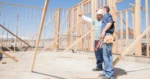


Embarking on a home building project is both exhilarating and daunting. Whether you’re constructing a new home from the ground up or undertaking significant renovations, the builder you choose will fundamentally determine the quality, timeline, and overall experience of your project. In Melbourne’s competitive construction landscape, making an informed choice is paramount to ensuring your vision becomes reality without unnecessary complications or disappointments.
The right SKL Builders Melbourne partnership transforms what could be a stressful undertaking into a rewarding journey. This comprehensive guide explores the ten essential questions every homeowner should ask potential builders before signing any contract. Armed with these crucial inquiries, you’ll be equipped to sift through Melbourne’s diverse building companies and identify the professional who truly understands your vision and has the capabilities to execute it flawlessly.
Licensing and Credentials: Verifying Professional Qualifications
The foundation of any successful building project begins with ensuring your builder holds the proper licensing and credentials. In Victoria, residential builders must be registered with the Victorian Building Authority (VBA) to legally undertake projects valued above A$10,000. This registration isn’t merely a formality—it signifies that the builder has demonstrated the necessary knowledge, experience, and financial stability to operate professionally.
When interviewing potential builders, request their registration number and verify it through the VBA’s public register. This verification confirms they’re legally permitted to undertake your project and provides insights into their disciplinary history, if any exists. Additionally, inquire about their specific qualifications and certifications beyond the minimum requirements. Builders with advanced certifications in specialised areas such as sustainable construction or heritage restorations may offer valuable expertise if relevant to your project.
Professional association memberships also speak volumes about a builder’s commitment to industry standards and continuing education. Organisations such as the Master Builders Association or the Housing Industry Association establish codes of conduct and best practices for their members. Builders who actively participate in these associations typically demonstrate a dedication to maintaining high standards and staying current with industry developments, building regulations, and innovative construction methods.
Don’t overlook insurance credentials either. Reputable builders should carry appropriate insurance coverage, including domestic building insurance, public liability insurance, and workers’ compensation. These protections safeguard both you and the builder should unforeseen circumstances arise during construction. Requesting certificates of currency for these policies is not only reasonable but essential due diligence before proceeding with any agreement.
Experience with Residential Projects in Melbourne Home Builders
Experience specific to the Melbourne residential construction sector carries immense value when selecting a builder. Melbourne’s diverse architectural styles, varying soil conditions, local council requirements, and neighbourhood character policies create a unique building environment that demands specialised knowledge.
Ask potential builders about their history working on projects similar to yours in scope, style, and location. An established Melbourne home builder will have navigated the city’s specific building regulations and developed relationships with local suppliers, subcontractors, and council officials—all assets that contribute to smoother project execution.
Request a portfolio of their completed projects within Melbourne home builders, particularly those in your area or similar to your intended build. Seeing tangible examples of their work provides insight into their craftsmanship, attention to detail, and stylistic capabilities. Most established builders proudly showcase their previous projects and should readily provide this information.
Take the investigation further by asking for references from recent clients, particularly those whose projects resemble yours. Speaking directly with previous clients offers unfiltered feedback about the builder’s communication style, problem-solving abilities, adherence to timelines and budgets, and overall client satisfaction. Prepare specific questions for these references about aspects of the building process that matter most to you, whether that’s communication frequency, transparency with unexpected challenges, or flexibility with design changes.
A builder’s longevity in the Melbourne market also speaks to their stability and reputation. While newer companies may offer innovation and enthusiasm, those with a proven track record spanning several years have demonstrated their ability to weather industry fluctuations and maintain client satisfaction over time. This established presence often translates to greater reliability and accountability throughout your building journey.
Communication and Project Updates
The importance of clear, consistent communication cannot be overstated when undertaking a building project. Construction inevitably involves complex coordination, decision-making, and occasionally, problem-solving under pressure. How a builder communicates through these processes significantly impacts your experience and satisfaction.
During initial meetings, assess how the builder responds to your questions. Are they thorough, patient, and willing to explain complex concepts in accessible terms? Do they listen attentively to your concerns and preferences? These early interactions often forecast the communication pattern throughout the project.
Inquire specifically about their communication protocols. Professional builders implement structured communication systems rather than relying on ad hoc updates. Ask about:
- The dedicated point of contact for your project
- Regular meeting frequency (weekly or fortnightly is standard)
- Methods of communication (email, phone, messaging platforms, or project management software)
- Documentation of discussions and decisions
- Process for urgent communications or emergency situations
- Availability outside standard business hours
Progressive builders increasingly utilise digital tools to enhance client communication. Project management platforms that provide real-time updates, photo documentation, schedule tracking, and document sharing create transparency and accountability. If a builder mentions using such systems, request a demonstration to understand how you’ll interact with it throughout the building process.
Beyond the mechanics of communication, gauge the builder’s responsiveness during your selection process. Do they return calls promptly? Are their emails comprehensive and clear? Do they follow through on commitments to send additional information or clarification? These behaviours typically reflect their standard operating procedures and indicate how they’ll manage communication once construction begins.
Remember that effective communication flows both ways. The best builder-client relationships involve mutual respect and reasonable expectations regarding response times and availability. Establishing clear communication protocols before signing contracts prevents misunderstandings and fosters a collaborative atmosphere conducive to successful project outcomes.
Fixed-Price vs Cost-Plus Contracts: Understanding Payment Structures
The contract structure fundamentally shapes your financial experience throughout the building process. Two predominant models exist in residential construction: fixed-price and cost-plus contracts. Understanding the implications of each is crucial before making your selection.
Fixed-price contracts (sometimes called “lump sum” contracts) establish a predetermined total cost for the entire project. This approach provides budget certainty and places most financial risk on the builder, who must estimate costs accurately. For homeowners with strict budgets or financing limitations, this predictability often proves invaluable. However, fixed-price contracts typically include contingency amounts to protect builders from unforeseen circumstances, potentially increasing the initial quoted price.
Conversely, cost-plus contracts (also known as “time and materials” contracts) charge you for actual project costs plus an agreed builder’s margin (typically 15-25%). This structure offers transparency into exactly what you’re paying for and potentially saves money if the project progresses smoothly without complications. However, it transfers more financial risk to you as the homeowner, as final costs may exceed initial estimates if challenges arise or material prices increase.
When discussing contract options with potential builders, inquire about:
- Their preferred contract type and rationale
- How variations and changes are handled under each model
- Typical contingency percentages included in fixed-price quotes
- Examples of how previous projects performed against initial estimates
- Payment schedules and milestone definitions
- Deposit requirements and how they comply with Victorian regulations
Some builders offer hybrid approaches that combine elements of both models to balance risk and transparency. For instance, certain aspects of the project with predictable costs might operate under fixed pricing, while components with greater uncertainty could follow the cost-plus model.
The optimal contract structure depends on your financial situation, risk tolerance, and the project’s complexity. Simple, straightforward renovations often suit fixed-price arrangements, while complex custom homes or projects involving extensive unknown factors (such as renovations of older properties) might benefit from the flexibility of cost-plus structures. Regardless of which model you select, ensure the contract clearly delineates what’s included, excluded, and how variations will be managed.
Timeline Commitments and Delay Management
Construction timelines affect not only your peace of mind but also your financial planning, temporary accommodation arrangements, and numerous other practical aspects of life during the building process. Reliable builders provide realistic timeframes and maintain transparent communication about progress and potential delays.
When interviewing builders, ask specific questions about:
- Estimated project duration from contract signing to handover
- Breakdown of timeframes for each construction phase
- Buffer periods built into the schedule for weather delays or supply issues
- Their current workload and capacity to commence your project
- Recent track record of completing projects on schedule
- Contractual protections regarding significant delays
- Liquidated damages or other compensation mechanisms for delays within the builder’s control
Experienced Melbourne home builders understand the seasonal challenges affecting construction schedules. Winter rainfall can impede groundwork and external finishes, while extreme summer heat may affect certain installation processes. Ask how these factors are considered in their timeline estimates and what contingency planning they implement.
Beyond weather considerations, supply chain disruptions have become increasingly relevant in recent years. Discuss how the builder manages material procurement timelines, whether they pre-order critical components, and their relationships with suppliers that might expedite deliveries or provide priority access during shortage periods.
Council approval processes also significantly impact project timelines in Melbourne. Reputable builders factor these administrative processes into their schedules and have experience navigating local council requirements efficiently. They should explain how they’ve accounted for these procedures in your timeline and what steps they take to prevent unnecessary delays during the approval process.
While delays sometimes prove unavoidable, a builder’s response to such challenges reveals much about their professionalism. Inquire about their communication protocol when delays occur—how quickly you’ll be notified, what information you’ll receive about the causes and implications, and how they’ll adjust the schedule to mitigate the impact. Builders who promise unrealistically swift completions may deliver disappointment, while those providing thoughtful, comprehensive timeline assessments demonstrate honesty and experience—even if their estimates are longer than you’d hoped.
Handling Changes and Variations During Construction
Even with meticulous planning, most construction projects encounter circumstances necessitating changes from the original specifications. These variations might stem from unexpected site conditions, material availability issues, design refinements, or simply evolving client preferences as the project takes physical form. How a builder manages these changes significantly impacts budget control, timeline adherence, and the overall client experience.
The variation management process should be clearly defined in your contract, but discussing it thoroughly before signing provides insight into the builder’s flexibility and operational transparency. Key questions to ask include:
- What formal process exists for requesting and approving changes?
- How are variation costs calculated and communicated?
- What documentation will you receive before approving any variation?
- How do variations affect the project timeline?
- Are there administrative fees associated with processing variations?
- What changes typically incur the most significant cost implications?
Established Melbourne Home Builders implement systematic variation procedures that maintain accountability while accommodating reasonable modifications. This typically involves written variation requests, detailed cost breakdowns, client approval documentation, and contract amendments. Beware of Melbourne Home Builders who seem casual about the variation process, as this informality often leads to misunderstandings and disputes.
While discussing variations, inquire about the Melbourne Home Builders approach to client-requested changes versus necessary variations due to unforeseen circumstances. Some Melbourne Home Builders distinguish between these categories in their contracts, applying different markup rates or administrative procedures depending on the variation’s origin. Understanding these distinctions prevents surprises when changes become necessary.
The timing of variations also impacts cost and feasibility. Changes made early in the construction process typically cost less and cause minimal disruption, while modifications during late construction stages can trigger cascading adjustments to completed work. Ask potential Melbourne Home Builders how they advise clients regarding the optimal timing for different types of changes and what strategies they employ to accommodate late-stage modifications when necessary.
Remember that variation management reflects Melbourne Home Builders’ overall approach to client relationships. Those who explain the process transparently, provide detailed documentation, and maintain reasonable markup rates on changes demonstrate respect for your position as the client and recognition that some flexibility benefits both parties throughout the building journey.
Quality Control and Inspection Processes
The difference between mediocre and exceptional building outcomes often lies in the rigour of quality control processes. Professional builders implement systematic quality assurance throughout construction rather than relying solely on final inspections to identify defects.
When evaluating potential builders, inquire about their internal quality control protocols:
- What inspection points exist throughout the construction process?
- Who conducts these inspections? (Site supervisors, project managers, independent inspectors?)
- How are inspection results documented and communicated to clients?
- What specific aspects do they check at each construction stage?
- How are subcontractors held accountable for their work quality?
- What happens when work fails to meet quality standards?
Progressive builders implement multi-layer quality control, including tradesperson self-checks, supervisor inspections, and sometimes third-party verification for critical elements like waterproofing or structural components. This comprehensive approach identifies issues early when remediation costs less and causes minimal project disruption.
Beyond mandatory inspections required by building regulations, reputable builders often conduct additional quality checks at critical construction milestones. Ask potential builders about their standard inspection schedule and whether they welcome client attendance at these inspections. Builders confident in their processes typically encourage client involvement at appropriate inspection points.
Quality control extends to material selection and verification as well. Discuss how builders ensure delivered materials match specifications, how they handle substandard deliveries, and what documentation they maintain regarding material quality. Similarly, inquire about their subcontractor selection criteria and performance management processes, as subcontractor capabilities significantly impact overall construction quality.
The defect identification and remediation process reveals much about a builder’s integrity. Professional builders document pre-handover inspections thoroughly, address identified issues promptly, and maintain transparency throughout this final quality control phase. Ask about their typical defect resolution timeframes and whether they utilise formal defect management systems to track issues to completion.
Remember that quality expectations should align with project specifications and price points. While all construction should meet building code requirements and workmanship standards, finishes and tolerances may vary between standard and premium building packages. Ensure your quality expectations match the specifications detailed in your contract to prevent disappointment stemming from misaligned assumptions.
Post-Completion Support and Warranty Coverage
The builder-client relationship shouldn’t end at project completion. Reputable builders stand behind their work through comprehensive warranty coverage and responsive post-handover support. Understanding what happens after you take possession of your completed project provides essential peace of mind and protection for your investment.
Victorian law mandates certain builder warranty obligations, including warranty insurance for projects exceeding A$16,000. However, quality builders often exceed these minimum requirements with additional service guarantees. When interviewing potential builders, inquire about:
- The statutory warranties that apply to your project
- Any additional warranties they provide beyond legal requirements
- Specific warranty periods for different building elements
- The process for reporting defects during the warranty period
- Typical response times for warranty claims
- Emergency support for critical issues (like plumbing failures)
- Scheduled maintenance inspections after completion
The domestic building insurance required in Victoria primarily protects homeowners if the builder dies, disappears, or becomes insolvent. It doesn’t replace proper warranty coverage for defects and doesn’t eliminate the need for a builder’s direct warranty commitment. Ask potential builders to explain precisely what their warranty covers, what’s excluded, and what documentation you’ll receive detailing these protections.
How builders approach the mandatory three-month inspection reveals their commitment to client satisfaction. Professional builders proactively schedule this inspection rather than waiting for client requests, arrive prepared with inspection checklists, document findings comprehensively, and address identified issues promptly. Ask about their typical process for this crucial post-completion milestone.
Some builders offer structured maintenance programs extending beyond warranty periods. These might include annual inspections, preventative maintenance services, or priority access to repair services. While potentially involving additional costs, these programs can provide valuable ongoing support and help maintain your property’s condition over time.
The experiences of previous clients offer valuable insights into a builder’s post-completion service quality. When speaking with references, specifically ask about their warranty claim experiences. Did the builder respond promptly? Were issues resolved satisfactorily? Did they honour warranty commitments without resistance? These firsthand accounts often reveal more than contractual promises about the builder’s integrity after project completion.
Builder’s Design Input and Collaboration Approach
While some clients approach builders with finalised architectural plans, many benefit significantly from builder input during the design development process. Early builder involvement often enhances constructability, identifies cost-saving opportunities, and ensures designs align with budget expectations before substantial investment in detailed documentation.
When evaluating potential builders, assess their design collaboration capabilities:
- Do they offer pre-construction design consultation services?
- What design expertise exists within their team?
- How do they collaborate with external architects and designers?
- Can they suggest practical design modifications to achieve budget targets?
- What experience do they have with your specific architectural style?
- How do they balance aesthetic goals with practical construction considerations?
Some builders maintain in-house design capabilities or established partnerships with architectural firms, offering integrated design-build services. This approach provides continuity throughout the project lifecycle and often streamlines the transition from design to construction. If you haven’t engaged an architect separately, inquire about these capabilities and the associated costs.
For clients with existing architectural plans, understanding how builders review and provide feedback on these documents proves valuable. Experienced builders identify potential constructability issues, suggest material alternatives that might enhance performance or reduce costs, and highlight design elements that might challenge budget constraints. This pragmatic review process refines designs before construction begins, preventing costly changes during building stages.
The builder’s aesthetic sensibility and alignment with your design vision also warrants consideration. Review their portfolio for stylistic versatility and execution quality, particularly for projects resembling your intended outcome. While builders shouldn’t dictate design decisions, their input should demonstrate understanding of architectural principles, material performance characteristics, and spatial functionality.
Remember that effective design collaboration requires mutual respect between all parties—client, architect/designer, and builder. During initial meetings, assess whether potential builders approach design discussions with appropriate balance: respecting the architect’s vision while offering constructive, experience-based insights. This collaborative dynamic typically carries through the entire project, influencing communication quality and problem-solving approaches when challenges inevitably arise.
Local Knowledge and Supplier Relationships
A builder’s established presence in Melbourne delivers tangible benefits throughout your construction project. Local knowledge encompasses understanding of council requirements, relationships with building surveyors, familiarity with soil conditions in specific suburbs, and awareness of neighbourhood character considerations that might affect approval processes.
When interviewing Melbourne home builders, explore the depth of their local expertise:
- How long have they operated in your specific municipality?
- What relationships do they maintain with local council building departments?
- What experience do they have with the particular constraints of your area (heritage overlays, flood zones, bushfire ratings)?
- How do they navigate local planning policies that might affect your project?
- Which local suppliers do they partner with for key materials?
- What local subcontractor networks have they developed?
Established supplier relationships significantly impact material quality, delivery reliability, and potentially pricing. Reputable builders develop longstanding partnerships with quality suppliers who provide consistent materials, prioritise their orders during shortage periods, and sometimes extend preferential pricing that benefits your project budget. Ask potential builders about their material sourcing approach and the suppliers they typically engage for critical components.
Similarly, subcontractor relationships influence work quality and scheduling reliability. Experienced Melbourne home builders cultivate networks of skilled tradespeople who understand their quality expectations and working methods. These established relationships typically result in better coordination, consistent craftsmanship, and more reliable scheduling than projects relying on newly engaged subcontractors.
Local market knowledge also proves valuable when making material selections and understanding price points. Builders familiar with Melbourne’s residential construction sector can guide you toward materials and fixtures that deliver appropriate quality at your budget level, identify products with reliable local supply chains, and suggest alternatives when preferred items face availability challenges.
Beyond these practical considerations, builders with deep Melbourne roots often demonstrate greater commitment to maintaining their local reputation. Their investment in the community and reliance on local referrals creates stronger accountability than companies without established local presence. This community connection often translates to greater care with project execution and more responsive service throughout the building process.

Environmental Considerations and Energy Efficiency
As energy costs rise and environmental awareness grows, building practices that enhance sustainability and operational efficiency have transitioned from luxury considerations to mainstream expectations. Progressive Melbourne home builders integrate environmentally responsible approaches throughout the construction process, from material selection to waste management and energy system implementation.
When evaluating builders’ environmental credentials, inquire about:
- Their experience implementing energy-efficient design elements
- Familiarity with sustainable building materials and products
- Approach to meeting and exceeding minimum energy rating requirements
- Waste management practices during construction
- Knowledge of renewable energy systems and integration
- Understanding of passive design principles applicable to Melbourne’s climate
- Certifications or specialised training in sustainable construction
Victorian building regulations establish minimum energy efficiency standards through the Nationwide House Energy Rating Scheme (NatHERS). However, forward-thinking builders often help clients achieve ratings well above these minimums through thoughtful material selection, appropriate insulation strategies, and careful attention to thermal bridging and air leakage points. Ask potential builders how they approach these requirements and what strategies they typically employ to enhance energy performance.
Water efficiency represents another important environmental consideration in Melbourne’s occasionally drought-affected climate. Discuss builders’ familiarity with rainwater harvesting systems, greywater reuse options, water-efficient fixture selection, and landscaping approaches that minimise irrigation requirements. Experienced builders can suggest practical water conservation measures appropriate for your specific project type and budget.
Material selection significantly impacts both environmental footprint and indoor air quality. Inquire about builders’ knowledge of sustainable material options, including recycled content products, certified timber sources, low-VOC finishes, and locally manufactured alternatives to imported products. While some eco-friendly materials carry premium prices, knowledgeable builders can suggest options delivering environmental benefits without excessive cost implications.
For clients particularly focused on sustainability, some builders offer formal green building certification pathways such as Green Star or Passive House standards. If these certifications interest you, confirm whether prospective builders have experience with the specific documentation and construction requirements these programs entail, as they often demand specialised knowledge and careful quality control during implementation.
Remember that environmental considerations extend beyond the construction phase to the operational life of your home. Builders with genuine environmental commitment can advise on design and system choices that reduce ongoing resource consumption and maintenance requirements, delivering both environmental and financial benefits throughout your occupancy.
Conclusion: Making Your Informed Builder Selection
Selecting the right Melbourne home builders involves thorough research, thoughtful questioning, and careful evaluation of both technical capabilities and relationship dynamics. The ten essential questions explored in this guide provide a framework for assessing potential building partners comprehensively, moving beyond surface impressions to substantive understanding of their operations, values, and fit for your specific project.
Remember that the lowest quote rarely represents the best value in construction. Quality workmanship, transparent communication, efficient project management, and reliable post-completion support justify investment in reputable builders who demonstrate professionalism throughout your selection process. The right builder transforms what could be a stressful undertaking into a rewarding journey of bringing your vision to life.
Take time to check references, verify credentials, review completed projects, and assess communication styles before making your final selection. Consider how comfortable you feel discussing concerns and asking questions during initial meetings, as this dynamic typically persists throughout the building process. The best builder-client relationships combine professional expertise with personal rapport, creating a collaborative atmosphere conducive to successful outcomes.
By approaching builder selection with these considerations in mind, you position your Melbourne building project for success from the outset. The investment of time in this critical decision pays dividends throughout construction and for years afterward as you enjoy a well-executed home that meets your expectations for quality, functionality, and value.
How do I check if a builder is licensed in VIC?
Verifying a builder’s licensing status in Victoria is straightforward through the Victorian Building Authority’s (VBA) online practitioner register. Visit the VBA website and navigate to the public register search function. Enter the builder’s name or their registration number if you have it already. The search results will confirm whether they hold current registration, what specific classes of building work they’re registered to perform, and whether any disciplinary actions have been recorded against them.
Legitimate builders readily provide their registration details and encourage this verification process. If a builder seems hesitant to share their registration information or discourages you from checking, consider this a serious warning sign. Remember that different registration classes permit different types and values of building work, so ensure your builder holds the appropriate registration for your specific project scope.
For complete peace of mind, you can also contact the VBA directly by phone to verify registration details or inquire about any builder’s disciplinary history that might not appear in the online register. This additional step proves particularly valuable for major projects representing significant financial investments.
What’s the difference between a fixed-price and cost-plus contract?
Fixed-price contracts establish a predetermined total project cost that remains unchanged unless formal variations are approved. This approach provides budget certainty and places most financial risk on the builder, who must estimate costs accurately. The contract sum includes all labour, materials, subcontractor costs, builder’s margin, and typically a contingency allowance for unforeseen circumstances.
Cost-plus contracts operate differently, charging you the actual costs incurred plus an agreed builder’s margin (typically 15-25% depending on project complexity). This structure provides complete transparency regarding where your money goes but transfers more financial risk to you as the client. If material prices increase or unexpected challenges arise, these additional costs (plus the builder’s percentage) pass directly to you.
Each approach suits different situations and client preferences. Fixed-price contracts typically benefit clients with strict budgets, limited contingency funds, or financing arrangements requiring predictable costs. Cost-plus arrangements might advantage clients undertaking complex renovations where unknown factors make accurate fixed pricing difficult, or those who prioritise transparency over absolute budget certainty.
The ideal contract type depends on your specific circumstances, risk tolerance, and project characteristics. Many builders specialise in one approach or the other based on their business model and project management systems, making this an important compatibility factor when selecting your building partner.
Can I change the design after the build starts?
Design changes during construction remain possible but typically incur both cost and time implications that increase as the project progresses. Early changes may require only paper modifications, while later alterations often involve demolishing completed work, reordering materials, and rescheduling tradespeople—all factors that impact both budget and timeline.
Professional builders establish structured variation processes to manage change requests efficiently while maintaining appropriate documentation. This typically involves written variation requests, detailed cost breakdowns including both direct costs and time implications, formal client approval documentation, and contract amendments reflecting the agreed changes.
The feasibility of specific changes depends on their nature and construction stage. Structural modifications become increasingly difficult and expensive after framing begins, while surface finish selections typically remain flexible until installation approaches. Experienced builders provide guidance about critical decision deadlines throughout the project, helping you understand when various changes remain viable without significant cost penalties.
To minimise potentially costly changes, invest time in thorough design development before construction begins. Three-dimensional renderings, material sample reviews, and detailed specification documents help visualise the finished outcome more accurately, reducing the likelihood of changes stemming from unexpected appearances or functional limitations discovered during building.
How long does a custom home build usually take?
Custom home construction in Melbourne typically requires between 10 and 16 months from contract signing to handover, depending on project complexity, size, site conditions, and council approval processes. This timeline encompasses pre-construction activities (finalising plans, obtaining permits, selecting finishes) and actual construction phases (site preparation, framing, lock-up, internal finishes, commissioning).
The planning and approval stage often requires 3-6 months, involving building permit applications, engineering certifications, energy assessments, and council approvals. Complex sites or designs requiring planning permits may extend this timeframe further. Experienced builders navigate these processes efficiently but cannot entirely eliminate the administrative durations involved.
The construction phase typically spans 7-12 months for standard custom homes, with larger or architecturally complex projects potentially requiring longer timeframes. Melbourne’s seasonal weather patterns influence this schedule, with potential delays during winter months or extreme weather periods. Skilled builders incorporate weather contingencies into their timelines while scheduling weather-sensitive activities strategically.
Supply chain factors also affect construction duration, particularly for specialised materials or imported products with extended lead times. Current global supply challenges have extended some material delivery timeframes significantly, necessitating either early procurement or schedule adjustments. Discussing these factors specifically with potential builders provides more accurate timeline expectations relevant to your particular project specifications and timing.
What are the red flags to watch for with builders?
Several warning signs should prompt caution when evaluating potential builders. Vague or heavily qualified quotes that lack detailed specifications create opportunities for misunderstandings and unexpected costs later. Professional builders provide comprehensive, clearly documented quotations specifying exactly what’s included and excluded.
Unusually low deposit requests might seem attractive initially but may indicate cash flow problems or insufficient capital to operate professionally. Victorian regulations limit deposits to 5% for projects exceeding A$20,000, and legitimate builders adhere to these requirements without seeking workarounds such as advance material payments beyond regulatory limits.
Poor communication during the quoting process often forecasts similar issues during construction. If a builder responds slowly to initial inquiries, provides incomplete information, or seems disorganised during preliminary meetings, these behaviours typically intensify under construction pressures. Construction inevitably involves challenges requiring prompt, clear communication—assess whether potential builders demonstrate these capabilities from first contact.
Resistance to providing references, especially from recent clients with similar projects, raises significant concerns. Reputable builders maintain relationships with satisfied clients who willingly provide feedback about their experience. Similarly, reluctance to show current work sites might indicate quality or organisational issues the builder prefers to conceal.
Pressure tactics urging quick decisions without allowing thorough assessment suggest sales priorities overriding client service values. Quality builders understand the significance of your investment and encourage thorough due diligence, including contract review by independent building consultants or solicitors when appropriate.
Trust your instincts regarding personal interactions. Construction involves extended collaboration requiring mutual respect and clear communication. If early interactions create discomfort or communication difficulties, these challenges typically magnify during the more stressful phases of actual building.
For more information about Builders in Melbourne services at SKL Builders Melbourne, check them out below:
Bathroom Design & Bathroom Renovations